Pokazywanie postów oznaczonych etykietą CYPR. Pokaż wszystkie posty

sobota, 12 maja 2012

KOURION


Wyświetl większą mapę

Kourion to obecnie stanowisko archeologiczne z osadą sięgającą XIV w. pne. Miasto brało udział w kilku wojnach, m.in z Persami, czy Aleksandrem Wielkim. Miasto opustoszało w VII w. po najeździe Arabów. Do dziś zachowała się świątynia Apollina, amfiteatr i część osady. Odkryto również piękne mozaiki. Obok miasta jest cudowna plaża. 

Kourion is now an archaeological site with a settlement reaching the XIV century BC. The city took part in several wars, m.in of the Persians, or Alexander the Great. The city was deserted in the VII century after the invasion of the Arabs. To this day, what remained is the temple of Apollo, an amphitheater and a part of the settlement. It was also discovered a beautiful mosaic there. In addition to the city there is a wonderful beach.


niedziela, 18 września 2011

KOLOSSI


Wyświetl większą mapę

Kolossi to spora wieś (ponad 4000 mieszkańców) niedaleko Limassol. Wieś od czasów średniowiecznych znana była z produkcji cukru i silnych umocnień.

 Kolossi is a big village (more than 4000 inhabitants) near Limassol. The village was known for its sugar production and fortifications since medieval times

 Zamek Joanitów. Piewrsza budowla powstał w 1210 z inicjatywy króla Hugha I i został oddany joanitom. Obecny zamek powstał w 1454, mieszkał tutaj swego czasu Ryszard Lwie Serce.

Kolossi Castle. The first keep was built here in 1210 by the king Hugh I and it was given to the Knights of the Order of St John of Jerusalem (Hospitallers). This castle was built in 1454. Here lived Richard the Lionhearted in his times.


 Kościół obok zamku

A church near the castle.
 Widok na Kolossi

A view on Kolossi


poniedziałek, 11 kwietnia 2011

AKROTIRI


Wyświetl większą mapę

Akrotiri to dość rzadko odwiedzany zakątek Cypru, ponieważ mieści się tu głównie Brytyjska Baza Lotnicza, co więcej, nie ma tu żadnej komunikacji. A do tego większą część półwyspu zajmuje słone jezioro... Jednak znajduje się tu jedno z najważniejszych miejsc na Cyprze, legendarny Agios Nikolaos Ton Gaton.

 Akrotiri is quite rarely visited corner of Cyprus, because it houses mainly British Air Base, and there is no local communication. And that most of the peninsula terrain is taken by the salt lake ... But here is one of the most important sites in Cyprus, the legendary Agios Nikolaos Ton Gaton.
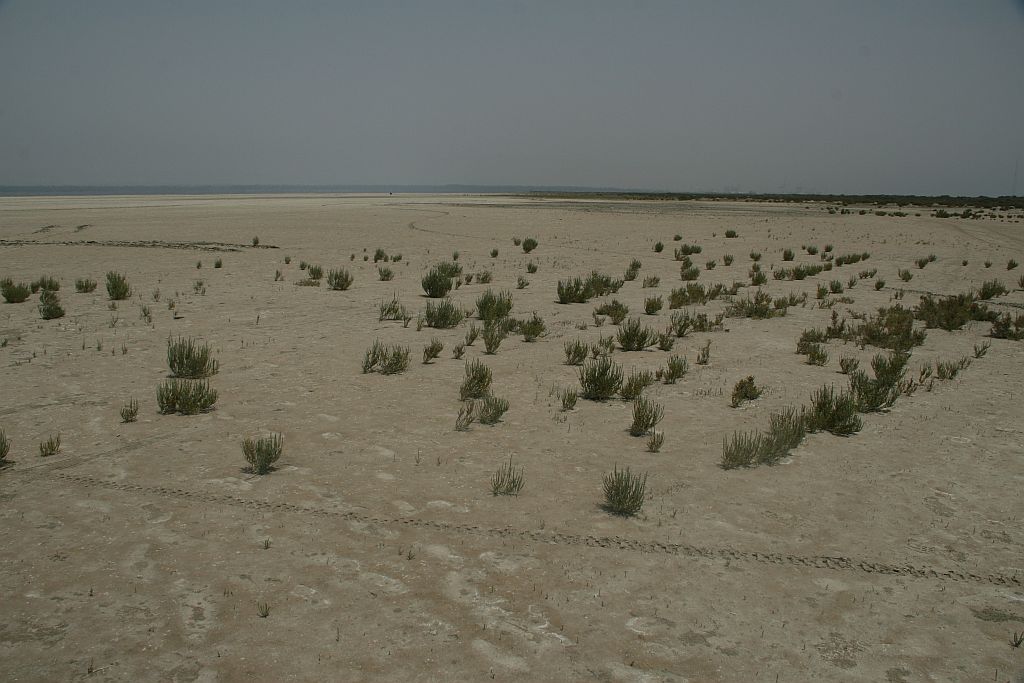
 Słone jezioro zajmuje sporą część półwyspu i zimą, kiedy wypełnione jest wodą, stanowi lęgowisko ptaków wodnych, szczególnie flamingów.

 Salt Lake occupies a large part of the peninsula and in the winter when it is filled with water, there's a breeding ground for water birds, especially flamingos.
 Jednak latem jest to wielka przestrzeń pokryta skorupą soli i z rzadka porośnięta roślinnością. Można sobie tu pojeździć samochodem...

But in the summer there is a great space covered with a thin crust of salt and overgrown vegetation. Here you can drive a car ...
 Agios Nikolaos Ton Gatos
Klasztor św. Mikołaja od Kotów to żeński, drugi najstarszy klasztor na wyspie, założony w 325 przez św. Helenę. Przybyła tu ona już 3 lata później, ale klasztor otoczony był jadowitymi wężami. Była straszliwa susza. Helena wpadła na pomysł, aby na wyspę sprowadzić koty - poradziły sobie one doskonale ze żmijami, a pomysł skopiowały inne klasztory, a nawet Rodos. Po pokonaniu plagi węży spadł deszcz i życie wróciło do normy. Kotami zaopiekowali się zakonnicy i do dziś kot na Cyprze uchodzi za święte zwierze. Mnisi mieszkali tu do 1570, kiedy wygonili ich stąd Turcy. Życie wróciło tu wraz z zakonnicami w 1983, które przejęły opiekę nad futrzkami. Z pomocą rządu opiekują się ponad setką kotów.

Monastery of St.. Nicholas of the cats is the female second oldest monastery in the island, founded in 325 by St.Helena. She arrived here three years later, but the monastery was surrounded by poisonous snakes. There was also a terrible drought. Helena had the idea to bring the cats to the island - they are coping well with venoms, and the idea was copied other monasteries, and even Rhodes. After defeating the scourge of snakes it started to rain and life returned to the island. Monks took care of the cats and the cat in Cyprus today is regarded as sacred animal. Monks lived here until 1570, when the Turks expelled them away. Life came back here with the nuns in 1983, who took care of cats. With the government's care they look after more than a hundred cats .


 Koty doprawdy są WSZĘDZIE

The cats are EVERYWHERE indeed.

wtorek, 28 grudnia 2010

LIMASSOL \ LEMESOS


Wyświetl większą mapę

Limassol to drugie co do wielkości miasto na Cyprze (180.000 mieszkańców), ośrodek handlowy, naukowy, turystyczny i rozrywkowy. Miasto założono już ok. V w. w Amathus, a w XII w. dostało się wraz z wyspą w ręce Brytyjczyków, którzy zniszczyli Amathus, a ludność przesiedlili do Limassol. W 1192 włascicielami wyspy zostali Templariusze, a po nich królowie francuscy. Do 1489 istniało tu królestwo Cypru. Mieszkali tu kupcy, dzięki czemu miasto bogaciło się znacznie. W XV w. port w Limassol stał się schronieniem dla piratów, dzieki czemu panowie limassolscy bogacili się jeszcze bardziej. Zdenerwowani takim obrotem spraw Egipcjanie najechali i złupili potężnie miasto. W ostatnim roku królestwa królowa sprzedała wyspę Wenecji, którzy wyzyskiwali Cypryjczyków, traktując ich jak niewolników. W 1571 wyspę podbili Turkowie i pod ich rządami rozpoczął się rozłam między Greków a Turków, widoczny do dziś. W 1878 wyspę wraz z portem odzyskali Brytyjczycy, rozwijając infrastrukturę miasta i wyspy. Dziś jest to prężnie rozwijające się miasto, któremu przybiera 500 m wybrzeża rocznie. Jest tu mnóstwo hoteli, centrum handlowe, wiele sklepów, uniwersytet, port i... niewiele zabytków.

Limassol is the second largest city in Cyprus (population 180,000), center of trade, science, tourism and entertainment. The city was founded as early as around the fifth century at Amathus, and in the XII c. got in the hands of the British together with an island. Brits destroyed Amathus and the population was resettled to Limassol. In 1192 the owners of the island were the Knights Templar and later the French kings. Until 1489 the kingdom of Cyprus existed here. Merchants lived there, making the city considerably rich. In the XV c., the port of Limassol has become a haven for pirates, so gentlemen of Limassol enriched themselves even more. Egyptians, who were very upset by that situation, invaded and plundered the city. Last year of the reigns, the Queen Cathrin Cornaro has sold the island to Venice, who exploited the Cypriots, treating them like slaves. In 1571 the island was conquered by Turks, and under their rule, there began a split between Greeks and Turks, as we can see today. In 1878 the island and port was regained by the British, who developed infrastructure in the city and island. Today it is a thriving city, which takes 500 meters of coastline per year. There are lots of hotels, shopping mall, many shops, university, a port and... a few landmarks.
Jedna z głównych ulic miasta z pięciogwiazdkowym hotelem.

One of the main streets with a five star hotel.
Magazyny portowe

Warehouse in the port.
Zamek
Jeden z 9 zamków na Cyprze, powstały ok. 1000 dla Bizantyjczyków. Prawdopodobnie tutaj Ryszard Lwie Serce poślubił Berengarię. Potem, do 1940 mieściło się tu więzienie. Obecnie jest to Muzeum Średniowiecznego Cypru

Castle
One of the 9 castles in Cyprus, built about 1000 for Bizants. Probably Richard the Lionheart married Berengaria of Navarra here. Later, till 1940, there was a prison. Right now there's a Museum of Medieval Cyprus.
Uliczki w centrum

Streets in the centre
Ulica Zygzak z wieżą mineartu.

Zik-Zak Street with minearet.

Meczet Cami Kabir

Cami Kabir mosque


Ratusz

Town Hall
Nowy kościół

A new church


Targ

A market place
Ulica handlowa

Market street.

Nabrzeże

Harbour


Pomnik Marynarza

Sailor's monument

Katedra Agia Napa

Agia Napa Cathedral


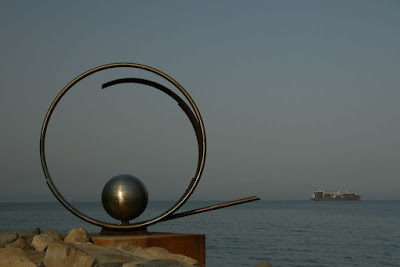
Nad morzem jest galeria rzeźby nowoczesnej. Niektóre są naprawdę trafione.

At the harbour, there's an exhibition of modern art. Some of the monuments are really nice.

Jedyny kościół rzymsko-katolicki w mieście.

Only one roman-catholic church in the city.
Amathus
Ruiny starożytnego miasta królewskiego z ok. 1100 p.n.e.

Amathus
Ruins of the ancient royal city from about 1100 b.c.


Podsumowując, Limassol to całkiem mało ciekawe miasto, brudne i bez ładu. Jest tu po prostu wiele dobrych hoteli, niezłe sklepy i... tyle. Można wpaść na zakupy, albo potraktować jako bazę wypadową, bo plaże są nawet ok.

In conclusion, Limassol is a pretty not interesting city, dirty and without order. There are just a lot of good hotels, nice shops and... that's it. You can drop in for shopping, or treat as a base, because the beaches are quite ok.