Wyświetl większą mapę
Heraklion to stolica Krety, licząca ok. 138.000 mieszkańców. Powstał prawdopodobnie jako port nieopodal pałacu w Knossos ok. 2000 p.n.e. Istniejące do dziś miasto założyli Saraceni w 824 pod nazwą Chandak, czyli Fosa. Była to ich baza wypadowa na wyprawy pirackie. W 961 Bizancjum zdobyło miasto, splądrowało i wszystkie skarby zostały wywiezione do Konstantynopola, a odbudowa zajęła 200 lat. W 1204 miasto kupili Wenecjanie i zaczęli budowę silnych umocnień w porcie. Zmienili nazwę miasta na Candia i zaczął się jego rozkwit - urodził się tu m.in. El Greco. W XVII w., po 20letnich walkach, Candię zdobyli Turcy, zmieniając znowu nazwę na Megalo Kastro i przenosząc handel do Chani. W 1898 Turcy opuścili wyspę, a miasto było częścią Republiki Krety, a od 1913 Grecji, wtedy zmieniono nazwę na Miasto Heraklesa - Heraklion. Miasto zostało poważnie zniszczone w czasie II wojny i odbudowane dość chaotycznie. W 1971 przywrócono tu funkcje administracyjne.
Heraklion is the capital of Crete, there are about 138 000 inhabitants. It was probably built as a port near the palace of Knossos about 2000 BC. Today's city was founded by the Saracens under the name of Chandak in 824. It was their base for pirate expeditions. In 961 the Byzantine Empire conquered the city, ploundered it and all the treasures were removed to Constantinople, and the recovery took about 200 years. In 1204 the city was bought by the Venetians, and they began to build strong fortifications in the harbor. They changed the name of the town into Candia, and there began its boom - El Greco was born here, among others. In the XVII century, after 20 years of fighting, the Turks conquered Candia, again changing its name into Megalo Kastro and bringing trade to Chani. In 1898, the Turks left the island, and the city became the part of the Republic of Crete and since 1913 it remains in the borders of Greece. They changed its name into City of Hercules - Heraklion. The city was heavily damaged during World War II and rebuilt fairly chaotic. In 1971 they restored the administrative functions here.

Neoila and salt storage
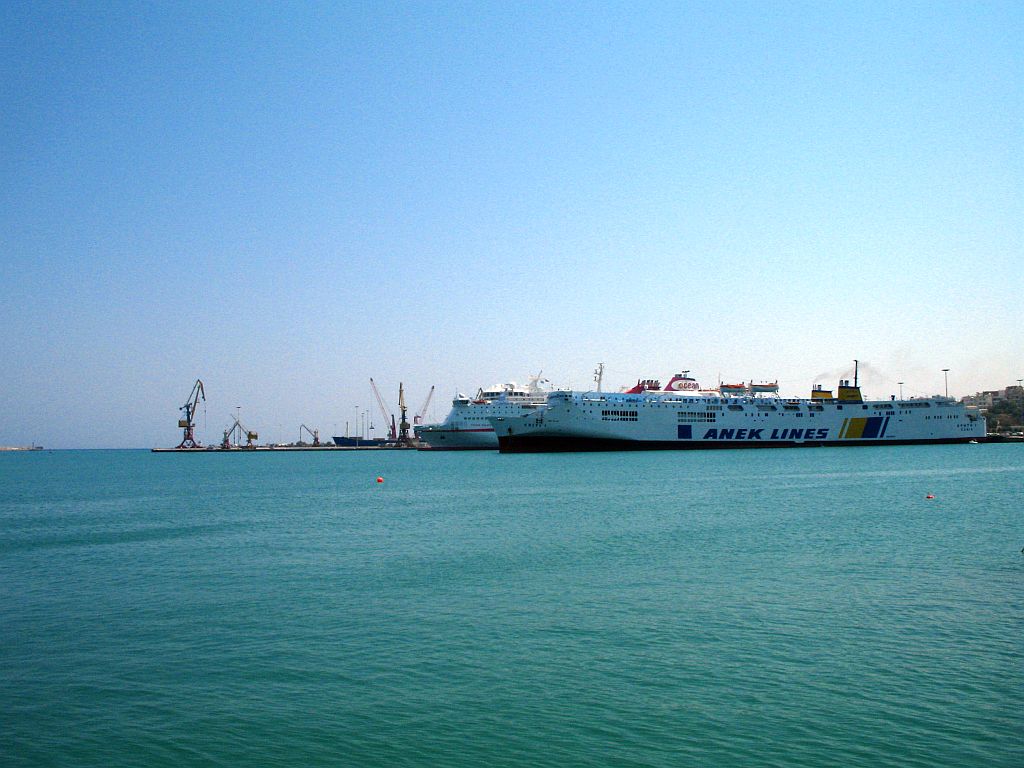

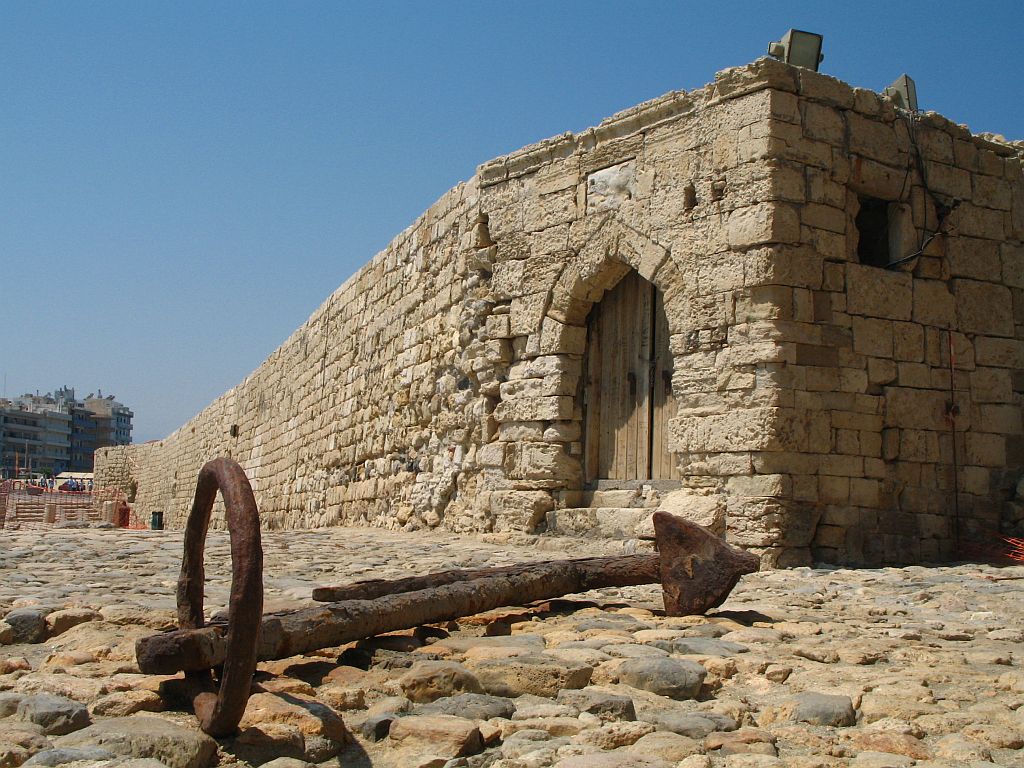
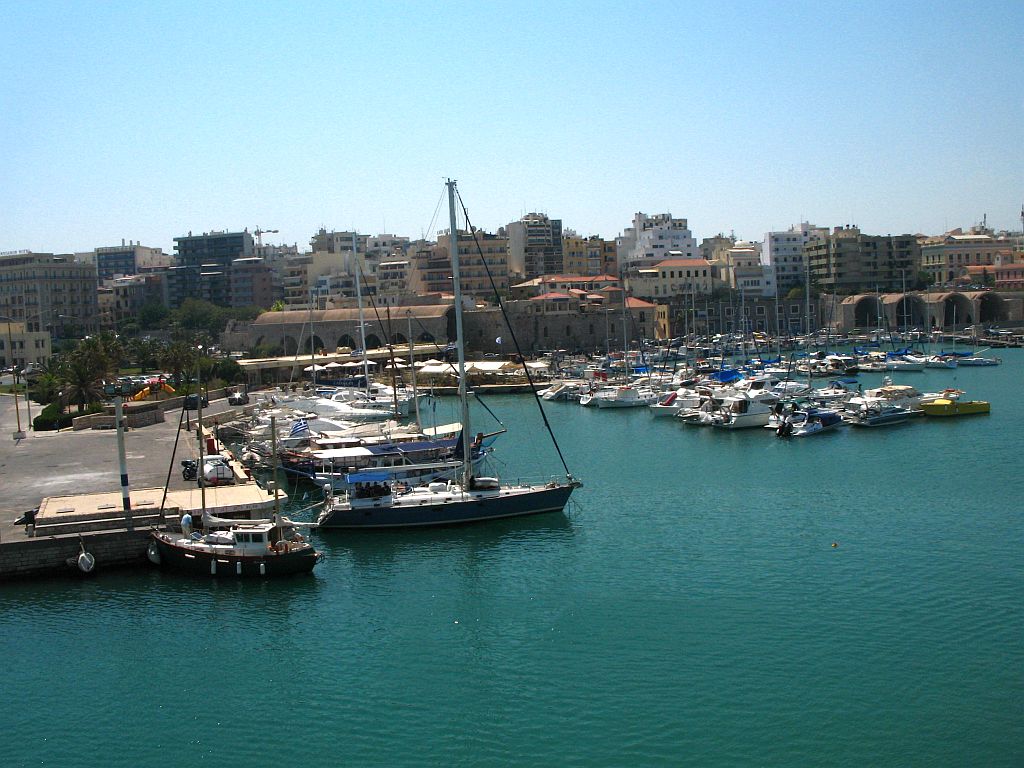
Roca al Mare - Venetian fort from the XIII c.






Traders in the main passage


St. Titus church


Loggia - Town Hall


Morosini Fountain from 1628.

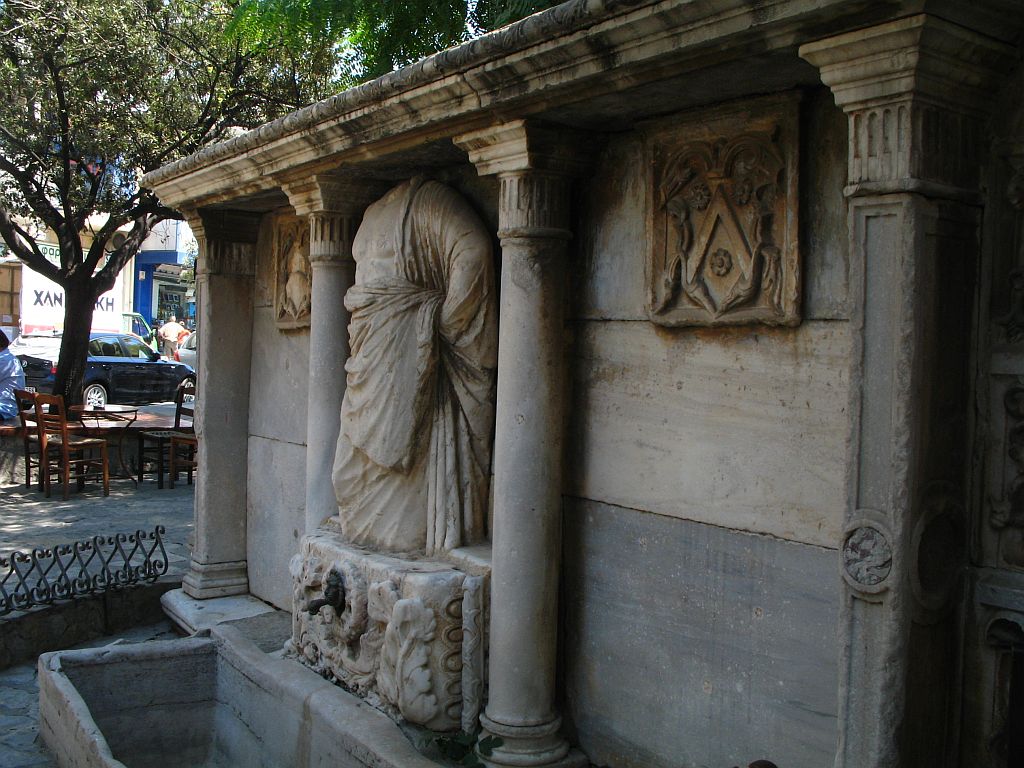
Bembo fountain

Aretousa and Erotokritos monument

St. Mark's basilica


St. Peter and St. Paul monastery


Leoforos Nearchou Street