czwartek, 14 kwietnia 2011

VILJANDI


Wyświetl większą mapę


Viljandi to niewielkie miasto (ponad 20.000 mieszkańców) na południu Estonii. Istniało już w XIII w. na miejscu starego grodu Estów.  Prawa miejskie otrzymało w 1283, kiedy osiedlili się tu Krzyżacy. Viljandi było członkiem Hanzy, mimo iż na przestrzeni wieków należało do innych państw: Polski do XVII w., Szwecji do XVIII w., potem do Rosji. Dziś to dość senne miasteczko, ośrodek kulturalny i handlowy w okolicy. 

Viljandi is a small city (20,000 inhabitants) in southern Estonia. It has already existed in the XIII century on the site of the old city of Estonians. It received city rights in 1283, when the Teutonic Knights settled here. Viljandi was a member of the Hanseatic League, even if it  belonged to other countries for centuries: Poland to the XVII century, Sweden to the XVIII century, then to Russia. Today it is quite a sleepy town, cultural and commercial center in the area.

 ulica Uus

Uus Street
 Zabudowa jest typowa, drewniana.

Typical, wooden buildings
 Ulica Koidu

Koidu Street.


 Budynek Viljandi Maagümnaasium - zespołu szkół. Liczy sobie 133 lata.

Viljandi Maagümnaasium building - a 133 year old school

 ulica Jacobseni

Jacobseni Street

 Widok na jezioro Viljandi - zimą na tyle zamarznięte, że można po nim jeździć samochodem. Latem to ośrodek sportów wodnych.

A view on Viljandi lake - in winter it's frozen so that the cars can go across and in the summer it's the centre of water sports.
 Na wzgórzu nowsza część miasta, pamiętająca czasy ZSRR - komunistyczne bloki i kombinat.


On the hill there's newer part of the town, with Soviet blocks of flats and a factory.


 Szkoła muzyczna

Music school


 Grand Hotel
 Kamienica na rynku

Houses on the main square
 Rynek zabudowany jet z rzadka mało pięknymi kamienicami.

A main square with some quite ugly buildings.
 Pomnik Carla Roberta Jacobsona, założyciela lokalnej gazety Sakala, czołowego pisarza estońskiego XIX w.

Carl Robert Jacobson's monument. He was the owner of popular newspaper called Sakala and main Estonian writer of the XIX c.
 Pomnik Johana Kolera, architekta, malarza i rzeźbiarza.

Johan Koler's monument. He was an architect, sculpturer, painter.
 Lokalne muzeum

Local museum
 Wieża ciśnień

Watertower

 Ratusz

Town Hall
 Nowoczesna rzeźba pod ratuszem

Modern sculpture near the Town Hall

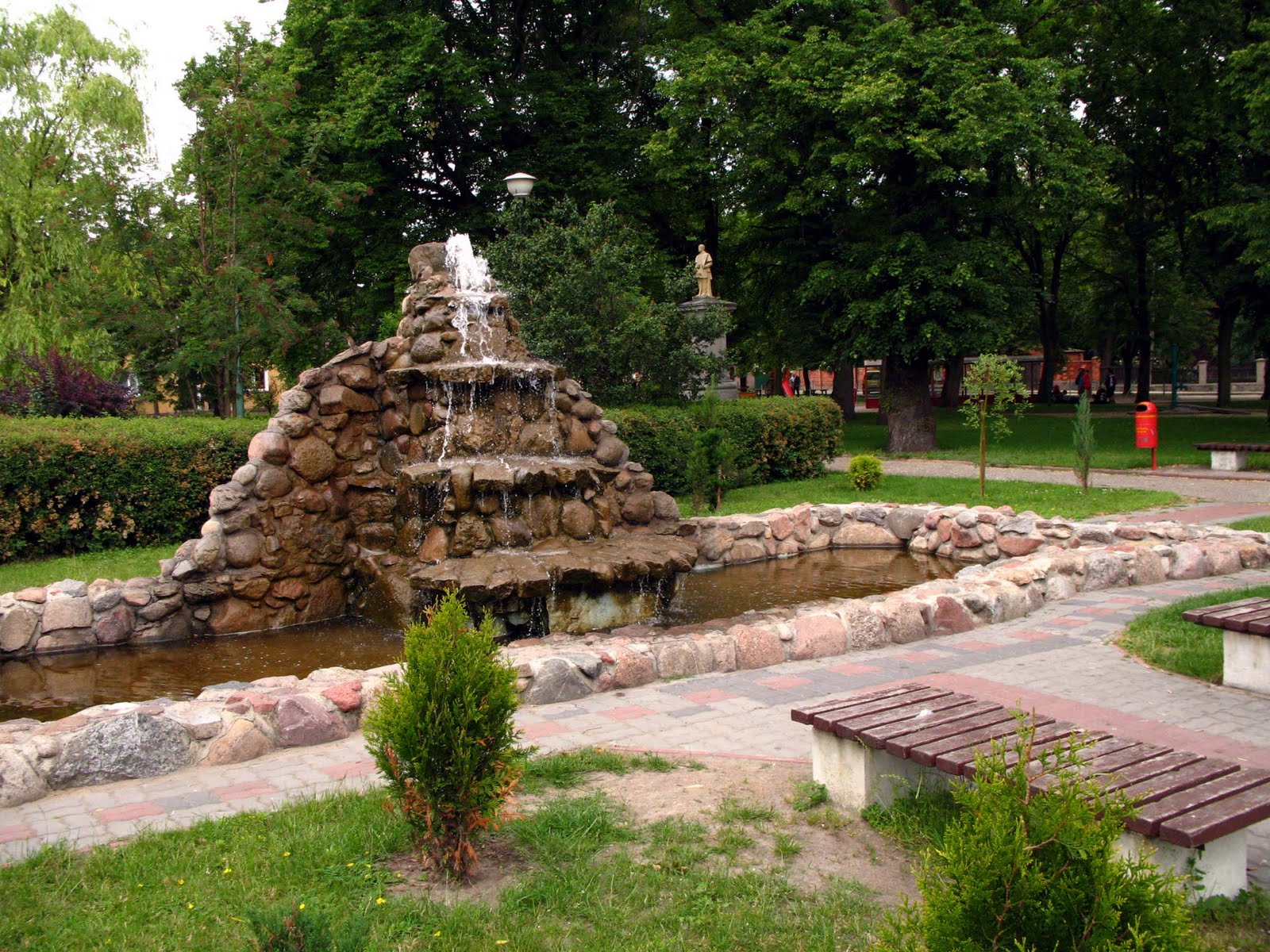
 Fontanna

Fountain


 kościół św. Jana od tyłu

St. John's church from the back.
 Pomnik Johana Laidonera, jednego z wodzów estońskich, twórców niepodległej Estonii po I wojnie światowej. Zmarł w radzieckim więzieniu.


Johan Laidoner's monument. he was one of the makers of independent Estonia after the I WW. He died in Soviet prison.
 Dom kultury.

House of Culture
 Zamek Krzyżacki z XIII w., zniszczony przez wojsko polskie.

Teutonic Knights' castle from the XIII c., destroyed by Polish Army.


 Most wiszący

Hanging bridge


 Muzeum Viljandi

Viljandi Museum


 Główna ulica miasta.

The main street


 Za teatrem Ugala z 1920 wieża kościoła św. Pawła

Ugala Theatre from 1920 and the tower of St. Paul's church behind.
 Kościół św. Jana

St. John's church
Dziwaczne drzewo w parku.

Strange tree in the park.

środa, 13 kwietnia 2011

GĄSAWA


Wyświetl większą mapę


 Gąsawa to spora wieś gminna, niedaleko od Żnina i Gniezna, położona nad jez. Gąsawskim. Posiadała nawet prawa miejskie w latach 1388-1934. Miejscowość słynna jest dzięki zjazdowi książąt dzielnicowych w 1227 roku i zamordowaniu w tym czasie Leszka Białego. W 1660 ówczesne miasto spustoszyły wojska szwedzkie. Dziś to siedziba gminy i ośrodek sportów wodnych, ale również Gąsawa posiada stadion hokeja na trawie. 

Gąsawa is a large communal village, not far from Żnin and Gniezno, located on the Gąsawskie lake. It had a town rights in 1388-1934. City is famous for gathering of dukes in 1227, and murdering of Leszek the White at that time. In 1660 the town was devastated by the Swedish army. Today is the seat of the municipality and water sports center, but also Gąsawa has a field hockey stadium.

 Kościół św. Mikołaja
Powstał w 1625, ma pięknie wymalowane wnętrze.

St. Nicholas church
Built in 1625 with beautifully painted interior.
 Figura na rynku

A statue on the main market square
 Rynek

Main square
Początkowa stacja wąskotorówki z wnętrza wagonika. Kolejka jedzie przez Biskupin, Wenecję do Żnina.

The first station ofthe route of Narrow Gauge Raiway going to Żnin.

poniedziałek, 11 kwietnia 2011

AKROTIRI


Wyświetl większą mapę

Akrotiri to dość rzadko odwiedzany zakątek Cypru, ponieważ mieści się tu głównie Brytyjska Baza Lotnicza, co więcej, nie ma tu żadnej komunikacji. A do tego większą część półwyspu zajmuje słone jezioro... Jednak znajduje się tu jedno z najważniejszych miejsc na Cyprze, legendarny Agios Nikolaos Ton Gaton.

 Akrotiri is quite rarely visited corner of Cyprus, because it houses mainly British Air Base, and there is no local communication. And that most of the peninsula terrain is taken by the salt lake ... But here is one of the most important sites in Cyprus, the legendary Agios Nikolaos Ton Gaton.
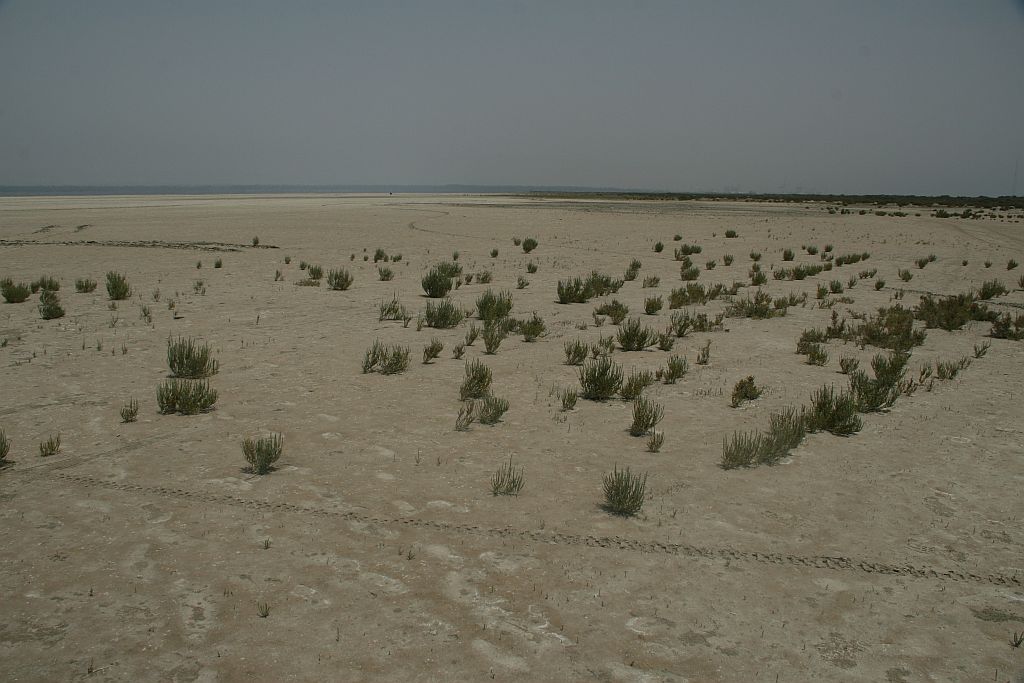
 Słone jezioro zajmuje sporą część półwyspu i zimą, kiedy wypełnione jest wodą, stanowi lęgowisko ptaków wodnych, szczególnie flamingów.

 Salt Lake occupies a large part of the peninsula and in the winter when it is filled with water, there's a breeding ground for water birds, especially flamingos.
 Jednak latem jest to wielka przestrzeń pokryta skorupą soli i z rzadka porośnięta roślinnością. Można sobie tu pojeździć samochodem...

But in the summer there is a great space covered with a thin crust of salt and overgrown vegetation. Here you can drive a car ...
 Agios Nikolaos Ton Gatos
Klasztor św. Mikołaja od Kotów to żeński, drugi najstarszy klasztor na wyspie, założony w 325 przez św. Helenę. Przybyła tu ona już 3 lata później, ale klasztor otoczony był jadowitymi wężami. Była straszliwa susza. Helena wpadła na pomysł, aby na wyspę sprowadzić koty - poradziły sobie one doskonale ze żmijami, a pomysł skopiowały inne klasztory, a nawet Rodos. Po pokonaniu plagi węży spadł deszcz i życie wróciło do normy. Kotami zaopiekowali się zakonnicy i do dziś kot na Cyprze uchodzi za święte zwierze. Mnisi mieszkali tu do 1570, kiedy wygonili ich stąd Turcy. Życie wróciło tu wraz z zakonnicami w 1983, które przejęły opiekę nad futrzkami. Z pomocą rządu opiekują się ponad setką kotów.

Monastery of St.. Nicholas of the cats is the female second oldest monastery in the island, founded in 325 by St.Helena. She arrived here three years later, but the monastery was surrounded by poisonous snakes. There was also a terrible drought. Helena had the idea to bring the cats to the island - they are coping well with venoms, and the idea was copied other monasteries, and even Rhodes. After defeating the scourge of snakes it started to rain and life returned to the island. Monks took care of the cats and the cat in Cyprus today is regarded as sacred animal. Monks lived here until 1570, when the Turks expelled them away. Life came back here with the nuns in 1983, who took care of cats. With the government's care they look after more than a hundred cats .


 Koty doprawdy są WSZĘDZIE

The cats are EVERYWHERE indeed.